Why Is the Evidence for Cannabis and Autism Described as Preliminary?
In recent years, there has been growing interest in get more info the potential use of cannabis-based products among people with autism spectrum disorder (ASD). Families, caregivers, and some clinicians have reported various benefits — from reduced anxiety to improved sleep. However, authoritative organizations such as the National Institute for Health and Care Excellence (NICE) and the General Medical Council (GMC) have repeatedly described the current evidence for cannabis use in autism as preliminary. This blog post explains why, delving into the distinction between autism and its co-occurring conditions, the current state of NICE guidance, the very narrow epilepsy indications where cannabinoids are approved, and the limitations of the existing research.
Understanding Autism Versus Co-Occurring Conditions
First, it’s crucial to clarify what autism is and what is often treated under the umbrella of "autism therapies."
- Autism Spectrum Disorder (ASD): A neurodevelopmental condition characterized by differences in social communication, interaction, and patterns of behavior and interests.
- Co-occurring Conditions: Many autistic individuals also experience additional diagnoses like anxiety, attention deficit hyperactivity disorder (ADHD), epilepsy, sleep disturbances, or gastrointestinal issues.
When discussions arise about cannabis and autism, it’s essential to question whether the claims refer to the core features of autism itself or its co-occurring conditions. Often, cannabis is proposed to target symptoms like anxiety or epilepsy rather than "autism" directly.
Why This Matters
Treating co-occurring conditions is valid and necessary. However, promising good outcomes for “autism” based solely on improvements in related symptoms without clear definitions causes confusion. It dilutes the conversation—and often overlooks the need for robust evidence specific to these conditions.
NICE Guidance on Cannabis for Autism: What It Says and What It Doesn’t
NICE plays a pivotal role in assessing the safety, clinical effectiveness, and cost-effectiveness of treatments offered by the NHS in England. Their recommendations are based on rigorous evaluations of available evidence.
As of now, NICE does not recommend cannabis-based products for the treatment of autism or any core symptoms of ASD. Here’s why:
- Lack of Large, Robust Trials: NICE’s guidance library indicates there is no definitive evidence from high-quality randomized controlled trials (RCTs) showing cannabis improves social communication, repetitive behaviors, or other core autistic features.
- Focus on Symptom Management: While there is some exploratory research into cannabis use for co-occurring symptoms such as anxiety or sleep problems in autism, these studies are usually small and designed without appropriate control groups.
- Safety Concerns: Long-term safety and side effects remain unclear, especially in the pediatric population, where prescribing rules vary and are stricter.
The GMC, which regulates medical professionals, emphasizes that until clear evidence exists, doctors must exercise caution and transparency when discussing or prescribing cannabis-based treatments for autism or related symptoms.
Narrow Approved Uses: Cannabis and Epilepsy
Where cannabis-derived medications do have established roles in the NHS and UK clinical practice is undeniably narrow. Specifically, cannabis medicines such as cannabidiol (CBD) preparations have evidence-based indications for certain rare childhood epilepsies:
- Dravet syndrome
- Lennox-Gastaut syndrome
In these conditions, well-designed clinical trials have demonstrated reduced seizure frequency with adjunctive cannabis medications. These are some of the few examples where NICE has issued formal guidance supporting use.
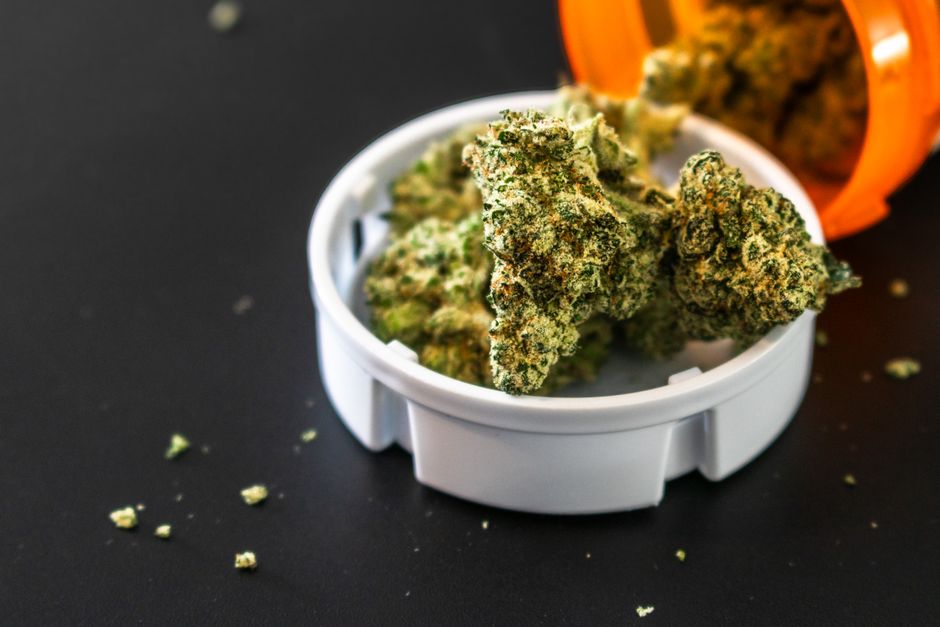

However, these epilepsy indications do not translate into broad recommendations for autism, even though epilepsy can co-occur with ASD. This distinction is essential to avoid conflating evidence from one condition with unsupported claims for another.
What Limits the Evidence for Cannabis and Autism?
1. Small Studies
Many existing reports in autism and cannabis research involve sample sizes ranging from fewer than 20 participants to a few dozen. Such small cohorts lack the statistical power needed to draw firm conclusions, increase the risk of chance findings, and limit the generalizability to the broader autistic population.
2. Observational Study Designs
A significant proportion of the literature comprises observational studies or case series, which document outcomes without experimental control. These types of studies:
- Cannot establish cause-effect relationships.
- Are prone to various forms of bias, including selection bias and placebo effects.
While valuable for hypothesis generation, they are insufficient for definitive recommendations.
3. Rare Use of Blinding or Control Groups
Blinding means that participants, clinicians, and often outcome assessors do not know who receives the active treatment or a placebo. It is key to reducing expectation biases. However, many cannabis and autism studies lack blinding or adequate controls, which increases risks of subjective outcome inflation.
4. Placebo Effects and Measurement Challenges
Many positive anecdotal claims such as "my child seems calmer" are difficult to quantify and cannabis for autistic anxiety vulnerable to placebo effects. Without standardized, validated outcome measures and repeated assessments, it is impossible to confirm that observed changes are due to the cannabis treatment rather than other factors.
Checklist: What to Look For When Evaluating Cannabis Claims in Autism
- Is the treatment aimed at autism core symptoms or a co-occurring condition?
- Was the study a randomized, controlled trial or an observational report?
- How large was the sample, and was there a power calculation?
- Was blinding used to reduce bias?
- Were outcome measures validated and consistently applied?
- Are safety and side effects systematically reported, particularly in children?
- What do official bodies like NICE and the GMC state?
Conclusion
The evidence base evaluating cannabis-based treatments for autism is still very much in its infancy. While early research and anecdotal reports offer intriguing signals, the limitations of small studies, observational designs, and lack of rigorous blinding explain why NICE and the GMC urge caution. Approved cannabis medicines do have a role in specific, severe epilepsies—but this does not extend to autism broadly.
Families and clinicians interested in exploring cannabis treatments must weigh the current state of evidence, regulatory guidance, potential risks, and ethical considerations. Keeping updated with new research published in the NICE guidance library is essential. Until larger, high-quality trials with robust methodology emerge, the language around cannabis treatment and autism will appropriately remain one of “preliminary evidence.”
Remember: understanding the symptom being treated, the quality of evidence, and the official guidance remains the best safeguard against overstated claims and unproven interventions.