Why Do Pharmacists Treat Medical Cannabis Differently From Regular Meds?
Medical cannabis is a unique medicine in the UK pharmacy landscape. Though it holds promise for some patients, pharmacists follow distinct protocols compared to regular prescription drugs. This reflects strict regulation, specialized sourcing, patient safety concerns, and device requirements essential to delivering consistent, safe therapy.
Understanding UK Medical Cannabis Prescribing and Dispensing
In the UK, medical cannabis is prescribed only when other licensed medicines have failed, and it's usually supplied as an unlicensed special. This means pharmacists hold special obligations to ensure product quality and patient safety.
Key point: UK medical cannabis is vaporised, not smoked
Unlike in many countries where cannabis is commonly smoked recreationally, prescribed cannabis in the UK is intended to be vaporised. Vaporisation heats the cannabis extract just enough to release active compounds without burning the plant material.
This distinction is important for pharmacists because the method of consumption impacts safety counseling, device provision, and product handling.
Combustion By-products Versus Vaporisation: Why It Matters
Regular medications, whether tablets, capsules, or syrups, do not involve inhalation methods that produce combustion by-products. With cannabis, the method of inhalation matters enormously.
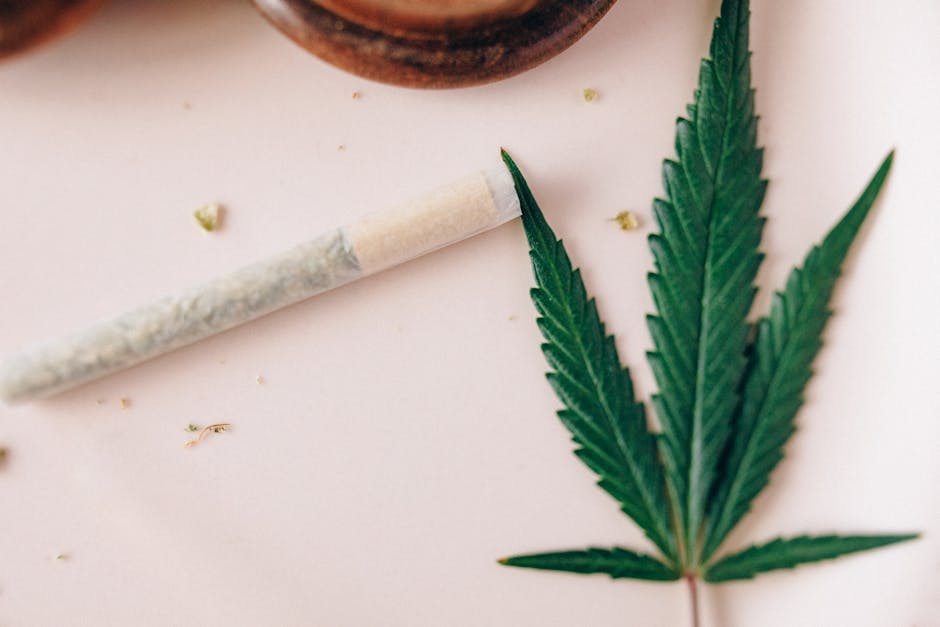
- Smoking: Burning cannabis plant material generates tar, carcinogens, carbon monoxide, and other harmful substances.
- Vaporisation: Heats cannabis to temperatures below combustion point, releasing cannabinoids and terpenes as an inhalable mist without toxic smoke.
Pharmacists educate patients on why smoking is strongly discouraged while vaporisation is recommended for medical reasons.
This advice is not just clinical opinion but rooted in patient safety and regulatory standards, putting pharmacists in a gatekeeper role for safe cannabis use. They must ensure patients only use UK-regulated vaporiser devices—not illicit "smoking" equipment—and understand proper dosing techniques.
The Device Is Part of the Treatment
Unlike taking a tablet, medical cannabis dosing relies heavily on the device used to vaporise the cannabis extract. This means pharmacists must:
- Provide a device compatible with the prescribed cannabis product.
- Ensure patients understand device operation, cleaning, and maintenance.
- Monitor and counsel on dose titration and inhalation technique.
The device is an integral component of the medicinal product because inconsistent heating or improper inhalation can alter dose delivery, affecting efficacy and patient safety.
Why this is different from conventional medicines
For tablets or liquids, dose delivery systems are standardised—pills contain exact https://bizzmarkblog.com/is-a-budget-conduction-vaporiser-good-enough-for-medical-use/ doses, and oral syringes measure volumes. Cannabis vaporisers vary in technology and require specialist knowledge for safe and accurate use.
Pharmacy and GPhC Regulation: Stricter Controls on Medical Cannabis
Here's what kills me: the general pharmaceutical council (gphc) regulates pharmacy professionals dispensing medical cannabis with additional focus on unlicensed specials obligations. This is because medical cannabis products are generally unlicensed, presenting unique regulatory challenges.
Unlicensed Specials Obligations Explained
An unlicensed special is a medicine not authorised by the MHRA but prepared to meet individual patient needs. Pharmacists must:
- Vet sourcing documentation to ensure product quality and origin.
- Maintain detailed records evidencing product procurement and supply.
- Provide comprehensive patient counselling requirements tailored to the specific medicine’s risks and benefits.
- Exercise clinical judgment on suitability and safety.
Because medical cannabis falls under this category, pharmacists must perform due diligence beyond usual licensed medicine handling, reinforcing patient safety.

Regulations specific to medical cannabis include:
- Verification that the cannabis product comes from MHRA-compliant suppliers with traceable batch and test data.
- Mandatory patient counselling about expected effects, side effects, storage, and device usage.
- Special attention to storage conditions, given the sensitive nature of cannabis extracts.
- Adhering to GPhC guidance on unlicensed medicines, including documentation and reporting.
The Pharmacist’s Expanded Role in Patient Counselling for Medical Cannabis
With regular medicines, counselling focuses on dose, administration, side effects, and interactions. With medical cannabis:
- Pharmacists must specifically explain the reason why vaporisation is used—highlighting reduced harm compared to smoking.
- Discuss the importance of device consistency to avoid variations in dose delivered.
- Educate about legal status and restrictions—patients cannot possess cannabis outside prescribed conditions.
- Identify and advise on side effects unique to cannabis and monitor for dependency risks.
This more detailed counselling safeguards patients and supports adherence, which is vital for a medicine with such nuances.
Cost and Supply: What Pharmacists Need to Consider
Medical cannabis products come with a different cost structure compared to typical generics and licensed medicines. Factors include:
Component Typical Cost Aspect Medical Cannabis Specifics Product Cost Partially covered by NHS tariff or private price list Higher due to specialized extraction, certification, and limited suppliers Device Cost Usually separate; standardized devices have stable pricing Integral to therapy; device and product often bundled with strict supplier controls Storage & Handling Basic pharmacy storage standards Requires secure, controlled storage with temperature monitoring Documentation & Compliance Standard prescription records Extensive sourcing and supply chain documentation, plus patient record detailed counselling notesPharmacists must factor all these elements into stock management and patient advising, ensuring cost-effective but responsible supply.
Summary: Why the Differentiation?
To put it simply, pharmacists treat medical cannabis Extra resources differently than regular medicines because:
- The form and method of administration (vaporised cannabis) are unlike standard drug administration routes.
- The safety profile demands avoidance of combustion by-products and use of regulated devices.
- Legal and regulatory frameworks classify medical cannabis mostly as unlicensed specials, increasing professional responsibility.
- Patient counselling is much more detailed due to potential risks, novel delivery systems, and legal restrictions.
These factors combine to make medical cannabis dispensing a highly specialised area requiring greater pharmacist expertise, vigilance, and documentation than typical NHS or private prescriptions.
Further Reading and Resources
- General Pharmaceutical Council (GPhC) - Official Site
- NHS Clinical Guidelines for Medical Cannabis
- Medicinal Cannabis Products for Prescribers - MHRA
- NHS Specialist Pharmacy Service - Unlicensed Medicines Supply Guidance