Where Should I Store CBD Tincture So It Does Not Degrade?
If you've ever opened a bottle of CBD tincture only to find the flavor fading or wondered why your once-effective supplement seems less potent, you're not alone. Proper storage is one of those overlooked but crucial factors that can make or break the long-term value of your CBD. After all, it’s not just about picking a high-CBD-per-serving product or finding the best price-per-milligram; your CBD’s effectiveness hinges on how you keep your tincture once it’s in your home.
The Annoyance Factor: Why Most CBD Users Quit or Waste Money
Before jumping into tincture storage tips, let's talk format friction—those daily annoyances that ruin adherence and make people toss their supplements:
- Foul taste or harsh aftertaste: Nobody wants to choke down an unpleasant oil every day.
- Leaky or inaccurate droppers: Measuring woes at bedtime or on the go create dosing frustration.
- Inconvenience during travel: Bulky bottles that are a hassle to carry or prone to spills.
- Delayed onset or inconsistent effects: If you don’t feel a noticeable effect, it’s easy to abandon.
Choosing a trusted brand like ElementalNest.com or Joy Organics helps reduce some of these pains through cleaner formulation and packaging. Their tinctures often come with taste masking and reliable droppers. Still, even the best CBD can lose potency quickly if stored poorly.
Why Storage Matters: The Science of CBD Degradation
CBD is a cannabinoid extracted from the hemp plant, but it’s not invincible. Environmental factors accelerate its breakdown:
- Heat: High temperatures speed up oxidation and degradation of cannabinoids and terpenes.
- Light: UV rays break down molecular bonds, reducing potency and altering flavor.
- Oxygen exposure: Repeated bottle opening lets in air, causing oxidation.
- Moisture: Can affect tinctures especially if water gets into the bottle.
Properly storing your tincture minimizes these factors, preserving potency, taste, and shelf life.
Tincture Storage Tips: How to Store CBD Away From Heat and Light
Here are practical, easy-to-follow guidelines to keep your CBD tincture fresh and potent for months:
- Choose a cool, dark spot: Pantry shelves away from cooking heat, or even a kitchen cabinet away from sunlight.
- Refrigerate when possible: A stable cool temperature (35-40°F) slows cannabinoid degradation dramatically without freezing the oil.
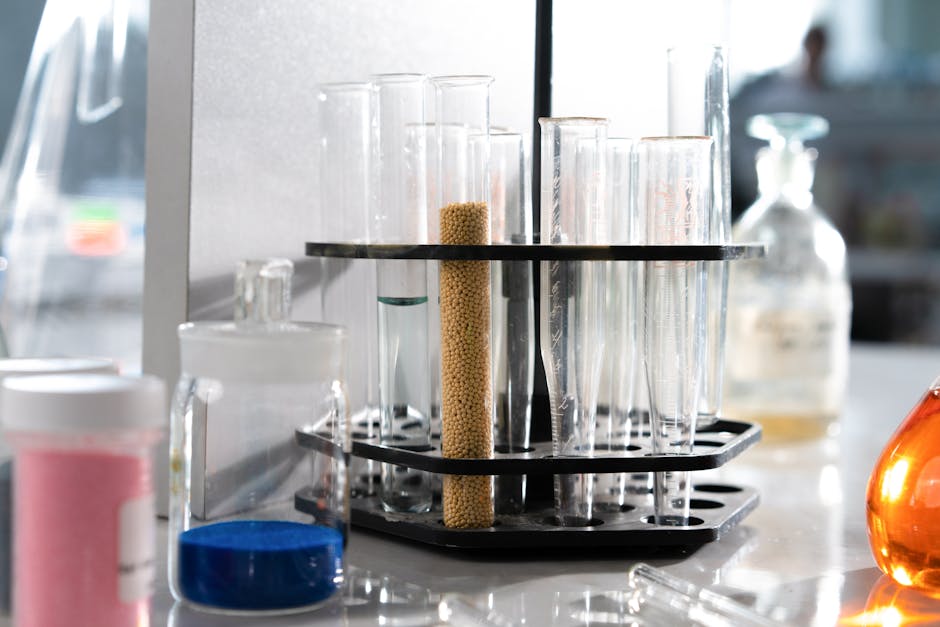
- Use dark glass bottles: Brands like Joy Organics package tinctures in amber or cobalt blue bottles that block UV rays. If your bottle is clear, transfer to a dark glass dropper bottle.
- Seal tightly after each use: Avoid oxygen exposure by always screwing on the dropper cap firmly.
- Keep away from humidity: Avoid storing near the sink or bathroom where moisture is high.
- Do not freeze: Freezing can cause the oil and carrier liquids to separate or become cloudy.
By following these simple steps, you’ll extend the functional life of your tincture far beyond typical expiration dates – saving money and improving dosing consistency.
Measuring the True Value: Price-Per-Serving & Price-Per-Milligram
Sometimes we get distracted by large upfront numbers printed on the label, like “1000 mg” or “1500 mg” per bottle. But what really matters is cost efficiency and effect per dose. Here’s how to do quick napkin math:
Metric How to Calculate Why It Matters Price Per Serving Price divided by number of servings per bottle Shows your actual out-of-pocket cost per day or per dose Price Per Milligram (mg) Price divided by total mg of CBD in bottle Enables like-for-like comparison between products of different concentrationsFor example, if a 30 ml bottle costs $60 and contains 900 mg CBD total, with 1 ml (about 20 drops) equaling one serving:
- Number of servings: ~30 (since 30 ml bottle)
- Price per serving: $60 ÷ 30 = $2 per serving
- Price per mg: $60 ÷ 900 mg = ~$0.067 per mg
Knowing these numbers helps you avoid overpaying for fancy labels and find high-value, fresher tinctures on sites like ElementalNest.com or Joy Organics.
Adherence Beats Theoretical Efficiency Every Time
We often https://bizzmarkblog.com/what-is-the-best-cbd-format-if-i-dislike-plant-flavors/ get stuck chasing maximum bioavailability or fastest onset, but if your format is a hassle, you won’t stick with it. That’s why adherence—the simple, consistent use of CBD—is the most important factor for real-life results.
Consider your daily routine: a tincture that tastes awful or requires careful measuring at bedtime may become a bottle you abandon after a week. A convenient dropper with palatable flavor and stable shelf-life keeps you dosing and benefiting.
Check user discussions on groups like the CBD support communities on Facebook—you’ll find lots of talk about “ease of use” trumping lab-measured absorption percentages.
Onset Timing Differences by Route: Oral vs Sublingual vs Edible
How you take your CBD changes how fast and strong it hits your system:
- Sublingual (under the tongue) – fastest onset, usually 15-30 minutes, because CBD diffuses directly into bloodstream through mucous membranes.
- Oral swallowing – slower onset, 1-2 hours, because CBD has to pass through digestion and liver metabolism (first-pass effect).
- Edibles or capsules – similar to oral, but may last longer in system.
Tinctures are mainly designed for sublingual use, but many people prefer to swallow them with food or drink. This relies on your personal preference and convenience—again, adherence wins.
Bioavailability and Why Fat Helps
CBD is fat-soluble, meaning it dissolves best in oils and fats. This is why tinctures almost always use carrier oils (like MCT from coconut, or hemp seed oil).
Taking your CBD tincture with a meal that includes fat improves absorption significantly because dietary fat stimulates bile secretion and micelle formation, enhancing CBD’s uptake in the intestines.
- Try mixing your tincture under the tongue with a small amount of cream in coffee or yogurt.
- Alternatively, take tincture immediately after a meal with healthy fats like avocado or nuts.
Brands like Joy Organics craft their carrier oils and oils’ ratio carefully to help with absorption and palatability.
Summary: Your Best CBD Tincture Storage Plan
- Find a cool, dark place: Pantry or fridge works well; just avoid fluctuating temperatures.
- Seal the bottle tightly after each use: Minimize oxygen exposure for longer shelf life.
- Use dark glass bottles: To keep light from breaking down cannabinoids.
- Mind the format friction: Pick tinctures with flavor/mouthfeel that fit your lifestyle to maintain adherence.
- Calculate your true cost: Use price-per-serving and price-per-mg to get best value and avoid wastage.
- Remember fat helps: Take CBD with meals containing fat for better bioavailability and effectiveness. Additional info
By mastering these tincture storage tips and choosing quality products from brands like ElementalNest.com or Joy Organics, you’ll save money, reduce waste, and feel the full benefit of your CBD routine every day.
Want to join a community discussing real-world CBD tips and experiences? Check out active groups on Facebook where users swap insights on best storage practices, product reviews, and adherence hacks.