What’s the Plain-English Reason Smoking Will Never Be the Licensed Route in the UK?
If you’ve been following the evolving landscape of medical cannabis in the UK, you might have heard the terms vaporised and smoked cannabis used interchangeably—and that can get confusing. But here’s the plain truth: UK-prescribed cannabis will never be licensed for smoking. Instead, it’s vaporised, because that’s a safer, cleaner, and more medically sound way to deliver the active compounds.
In this article, we’ll break down why combustion (burning cannabis) is problematic for medical use, how vaporisation differs, why the delivery device itself becomes part of the treatment, and what UK pharmacy regulations have to say about all this.
1. UK Prescribed Cannabis Is Vaporised, Not Smoked
When you're prescribed cannabis-based products in the UK, they are intended to be vaporised. That means the cannabis flower or extract is heated just enough to release active ingredients like THC and CBD as a vapor, but not enough to burn the plant material.
Contrast this with smoking—where the cannabis burns, producing smoke that contains not only the cannabinoids but also ash, tar, carbon monoxide, and other harmful combustion by-products. UK healthcare guidelines and the Medicines and Healthcare products Regulatory Agency (MHRA) insist on safer routes for medication delivery. This is why licensed cannabis medicines are designed for vaporisation or oral use rather than smoking.
What exactly is vaporisation?
- Heat cannabis to about 180-210°C (356-410°F).
- Active compounds turn into vapor without burning the material.
- Inhaled vapor contains cannabinoids and terpenes but far fewer harmful chemicals.
So, vaporisation offers a cleaner, more controlled method—and that’s why prescriptions specify devices designed specifically for vapour delivery.
2. Combustion Harms vs Vaporisation: What and Why
The issue is combustion harms. Burning cannabis produces hundreds of harmful chemicals that have no role in therapy. These include:
- Tar and particulates that irritate lungs and airways.
- Carbon monoxide, which reduces oxygen transport in the blood.
- Polycyclic aromatic hydrocarbons (PAHs), known carcinogens.
- Fine ash particles that deposit in the lungs.
None of these substances help with medical treatment. In fact, they carry risks of respiratory problems, cardiovascular strain, and worsening of existing lung diseases.
No Therapeutic Function of Combustion By-products
While THC and CBD have recognized therapeutic effects, the smoke itself doesn’t. The additional chemicals and particles are purely harmful side-effects of burning. Medical cannabis regulation demands that all components of a treatment provide benefit—or at least not cause harm.

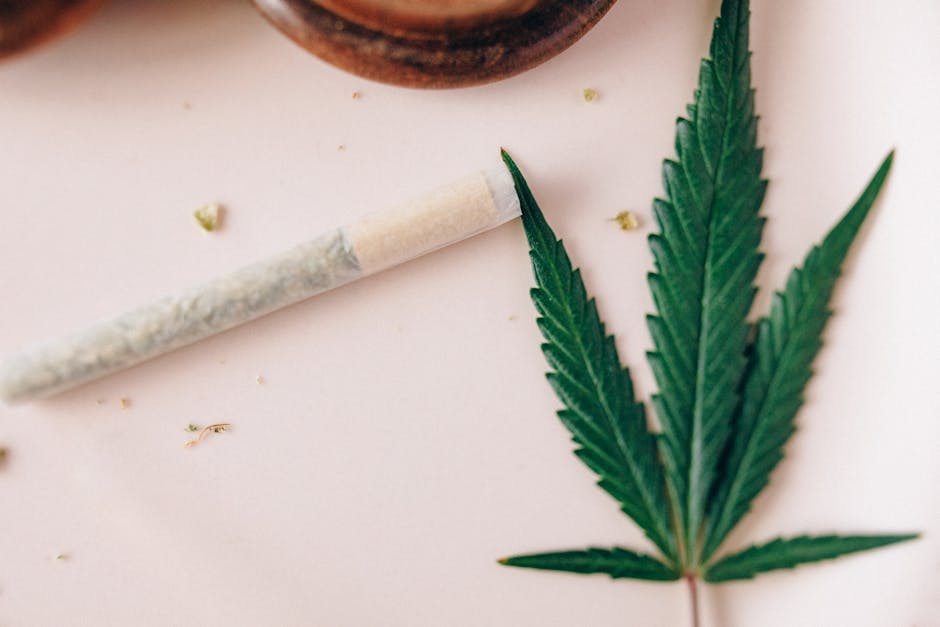
This is why products resulting from combustion don't meet medical licensing standards. They fail safety profiles required https://www.thelondoneconomic.com/lifestyle/health/how-medical-cannabis-vaping-works-temperature-devices-and-the-economics-behind-it-409054/ by UK regulators.
3. The Device Is Part of the Medical Treatment
When you get a prescribed cannabis product, you’re not just getting dried flower or extract, you’re also getting a device—usually a specifically approved vaporiser.
Why does this matter? Because the device impacts:
- Consistency of dosing—vaporisers release a measured amount of active compounds each time.
- Temperature control—to avoid combustion and maintain compound integrity.
- Safety—reducing exposure to harmful chemicals and irritants.
Unlike buying cannabis from an unregulated source, prescribed vaporisers undergo quality checks and are held to pharmacy standards.
Device and Pharmacy Regulation in the UK
The device and product fall under strict control by pharmacies governed by the General Pharmaceutical Council (GPhC). They ensure:
- Products dispensed meet legal safety and efficacy rules.
- Patients are educated on how to use devices properly.
- Supply chains are traceable and accountable.
This regulated environment ensures medical cannabis is delivered consistently and safely, which would be impossible if smoking were the method.
4. UK Pharmacy and GPhC Regulation: A Safety Net
Pharmacy regulation by the General Pharmaceutical Council (GPhC) enforces strict standards for dispensing medicines, including cannabis-based medicinal products. Their oversight is critical for:
- Preventing unlicensed and unsafe products from reaching patients.
- Ensuring vapour devices meet medical-grade specifications.
- Training pharmacists to counsel on medical cannabis use responsibly.
These regulations reinforce why smoking cannabis is never acceptable as a licensed medical route in the UK. Smoking introduces unpredictable doses, harmful by-products, and bypasses the rigour of medical device safety checks.
Summary Table: Why Smoking Cannabis Will Never Be Licensed in UK Medical Practice
Aspect Smoking Vaporisation How it works Burns the cannabis, producing smoke Heats cannabis to release vapor without burning Chemicals delivered Active cannabinoids plus harmful combustion by-products Active cannabinoids and terpenes with minimal impurities Health impact Respiratory irritation, risk of carcinogens, cardiovascular strain Less lung irritation, more controlled delivery, safer overall Dosing consistency Highly variable, unpredictable doses More reliable, controlled dosing by device Regulatory compliance Fails medical licensing standards Meets medical licensing standards when device is approvedWrapping Up
In plain English: smoking cannabis mixes medicine with smoke and harmful chemicals, making it unsuitable for medical licensing in the UK.
Vaporisation separates the active therapeutic parts from dangerous combustion by-products and suits the high medical standards demanded by UK regulators. The vaporiser device itself becomes part of the medicine, ensuring safe, consistent doses. And behind the scenes, GPhC regulations guarantee that patients get a treatment that’s as safe and predictable as any other prescribed medicine.
The bottom line? If you ever see “prescribed cannabis” in the UK, it will be in the form of vaporised medicines delivered through approved devices—not smoked. That’s a non-negotiable medical and regulatory reality.
```