What Does a High-Quality Clinic Do Differently Than a Cheap One?
When it comes to healthcare, especially in specialized areas such as medical cannabis or innovative treatments, quality matters. But how do you spot a clinic moroccoworldnews.com that delivers high-quality care compared to one that simply offers a cheaper, less reliable service? Having spent years interviewing clinics, reviewing Care Quality Commission (CQC) policies, and checking claims against the General Medical Council (GMC) Specialist Register, I’ve noticed clear patterns.
A high-quality clinic is defined by strict adherence to regulation, transparent risk disclosures, compliance with legal prescribing rules, and patient-centered care delivered by competent specialists. Let’s break down what sets them apart.
Regulation and Clinic Oversight: The Foundation of Trust
Any credible clinic in the UK must be registered with the Care Quality Commission (CQC). The CQC ensures clinics meet national standards for quality and safety, overseeing how care is provided and how clinics manage risks. Here’s what high-quality clinics do differently regarding regulation and oversight:
- Transparent CQC Registration Number: Before booking a consultation, ask for the clinic’s CQC registration number. This is your first checkpoint to verifying that the clinic is authorised and inspected regularly.
- Consistent Compliance Updates: High-quality clinics are aware of their inspection ratings and publish them for patients to see. They actively address any concerns raised by the CQC.
- Audited Clinical Governance: They have clear governance structures ensuring policies comply with CQC standards on safety, cleanliness, and patient rights.
In contrast, cheaper clinics often delay registration, evade sharing their registration number, or provide vague answers about inspections. These red flags usually crop up in my notebook as reasons to be cautious.
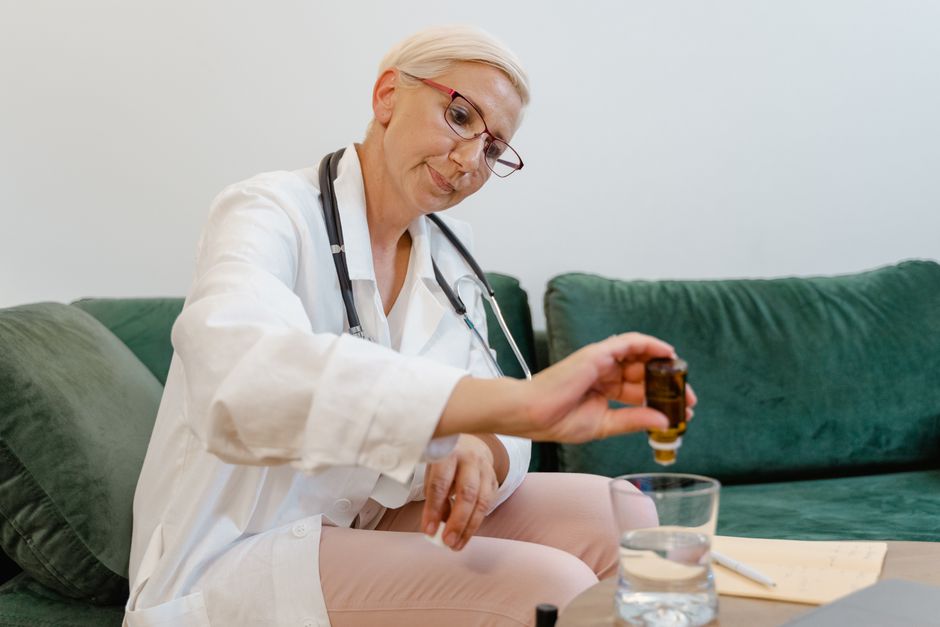
Unlicensed Medicines and Risk Disclosure: Being Honest About Limits
Medical cannabis treatment and other novel therapies frequently involve unlicensed medicines. Since these products don’t have full regulatory approval, clinics must be upfront about potential risks and uncertainties.
High-quality clinics do the following:
- Provide Clear Risk Disclosure: Before prescribing, they explain the unlicensed status, potential side effects, and current evidence limitations. This is part of a thorough consultation.
- Use Evidence-Based Protocols: Despite limited licensing, they rely on published research and guidelines when recommending treatments.
- Obtain Informed Consent: Patients sign consent forms acknowledging they understand the risks and have had their questions answered.
Cheap clinics often downplay risks or present medical cannabis as a cure-all without explaining what is unknown. Watch for marketing phrases that promise “the best results with no side effects”—these are usually overhyped claims.
Who Is Legally Allowed to Prescribe?
The law is clear on who can prescribe medications, licensed or unlicensed. Only a registered medical professional with a licence to practice can write prescriptions. This includes doctors, nurse prescribers, dentists, and some pharmacists, but crucially for specialized treatments, the prescriber must have relevant expertise.

What high-quality clinics ensure:
- Prescribers Are Registered with the GMC or Equivalent: Ask for their full name and check their registration on the GMC register.
- Specialist Doctors, Not Generalists or Non-Doctors: Clinics boasting “specialist doctors” will name them and confirm their specialty on the GMC Specialist Register.
- Scope of Practice Matches Clinic Services: A dermatologist cannot prescribe cannabis treatments for neurological issues unless they have relevant experience. High-quality clinics stick to scope.
Beware clinics that insist prescribing can be done by “special advisors” or “general health consultants” without medical degrees. These are usually signs that the clinic is cutting corners.
Specialist Competence and Scope: Why This Matters
Competence and specialty matter hugely in complex treatments. Medical cannabis clinics should be MDT-driven—where a specialist multisdisciplinary team (MDT) reviews the case to ensure comprehensive care.
High-quality clinics have:
- MDT Review: Patients’ cases reviewed by a team of healthcare professionals, including specialists relevant to the patient’s condition.
- Thorough Consultation: The consultation is not a quick sales pitch but a detailed medical assessment lasting 30-60 minutes or more.
- Structured Follow-Up: They schedule regular reviews to monitor treatment effectiveness and manage side effects, adjusting prescriptions as needed.
The importance of MDT review cannot be overstated. Effective collaboration between neurologists, psychiatrists, pain specialists and pharmacists improves patient outcomes and safety. Cheap clinics often lack MDT input, relying on one prescriber with limited consultation time.
Summary Table: Key Differences Between High-Quality and Cheap Clinics
Aspect High-Quality Clinic Cheap Clinic Regulation Registered with CQC; openly shares registration number; adheres to inspection standards Unregistered or reluctant to share; avoids CQC scrutiny Risk Disclosure Full transparency on unlicensed medicines; informed consent obtained Minimizes risks; offers vague or overly positive claims Prescribing Authority Prescribers on GMC register with relevant specialty; clear about qualifications Uses non-medical staff or unclear prescribing credentials Specialist Competence Multidisciplinary team (MDT) reviews; thorough consultations; structured follow-up Single prescriber; brief consultations; limited follow-up Service Transparency Clear pricing; no hidden fees for medicine or dispensing Bundles or subscriptions mask true costsFinal Thoughts: Ask the Right Questions and Insist on Quality
If you’re considering treatment at a new clinic, remember to:
- Ask for their CQC registration number and check it online.
- Request names and GMC registration numbers of the doctors who will assess you.
- Inquire about MDT involvement and how your case will be reviewed.
- Ensure the clinic discloses risks clearly and obtains your informed consent.
- Understand the full cost, including medicine and dispensing fees.
- Check how follow-up appointments are structured to monitor your care.
Quality in healthcare requires vigilance. Cheap can sometimes mean costly in terms of safety and outcomes. Don’t settle for vague answers or promotional hype. Verify the clinic’s credentials and insist on a high standard of care.
In my experience, clinics that respect regulation, provide clear risk communication, employ properly registered specialists, and run MDT reviews consistently offer better, safer, and more trustworthy care.