If a CBD COA Only Shows Potency, Is That Enough?
In the booming world of CBD products—from tinctures to gummies and creams—shoppers are rightly concerned about safety and quality. One key tool brands offer is the Certificate of Analysis (COA), a batch-specific laboratory report showing what’s really inside. But what if a COA only shows potency? Is that enough to trust a product?
Let’s dig into the essentials of CBD safety, why a full https://bizzmarkblog.com/how-do-i-find-the-coa-for-my-cbd-product-and-read-it/ COA matters beyond potency numbers, and where reputable companies like Joy Organics fit into this landscape.
Understanding CBD vs. THC and Intoxication
Before diving into COAs, it’s important to clarify what CBD really is, and how it differs from THC—especially when customers worry about feeling “high.”
- CBD (cannabidiol) is a non-intoxicating compound found in hemp plants. It won’t cause the "high" associated with cannabis.
- THC (tetrahydrocannabinol) is the psychoactive compound that produces intoxication.
- By law, hemp-derived CBD products must contain less than 0.3% THC to be federally legal under the 2018 Farm Bill.
This legal limit is crucial because there’s always a risk of accidental intoxication or positive drug tests from higher THC levels. That’s why accurate testing is essential.
FDA-Approved CBD vs. OTC CBD Use
Though CBD supplements are everywhere, it’s worth noting that the U.S. Food and Drug Administration (FDA) only officially approves one CBD-based drug: Epidiolex. Used for rare seizure disorders, this drug undergoes strict testing and quality controls.
However, over-the-counter (OTC) CBD products sold online or in stores do not have this FDA approval. That means their safety and effectiveness claims aren’t guaranteed, and rigorous oversight is lacking.
Many consumers rely on COAs to fill this quality gap, which is why transparency in testing reports is crucial.
What Is a Certificate of Analysis (COA)?
A COA is a lab report tied to a specific batch of CBD product. It covers the tested potency of CBD and other cannabinoids, and ideally includes tests for possible contaminants.
When 2018 farm bill hemp definition a company provides batch-specific laboratory reporting, it means you’re seeing data for the exact batch you plan to buy—not a generic “here’s what we usually produce” report. This is a critical distinction because even batches from the same manufacturer can vary significantly.
“Potency Only” COAs: What’s Missing?
Some brands provide COAs that only show cannabinoid potency—how much CBD, THC, and related cannabinoids are present. While potency matters, this narrow focus leaves significant safety questions unanswered.
What a “Potency Only” COA Shows What a Full COA Includes- Levels of CBD, THC, CBG, and other cannabinoids
- Verification of labeled CBD content
- Potency of cannabinoids (CBD, THC, etc.)
- Contaminant Panels:
- Heavy metals (lead, mercury, arsenic, cadmium)
- Pesticides and herbicides residues
- Residual solvents from extraction processes
- Microbial contamination (mold, bacteria)
Why Are Contaminant Panels Important?
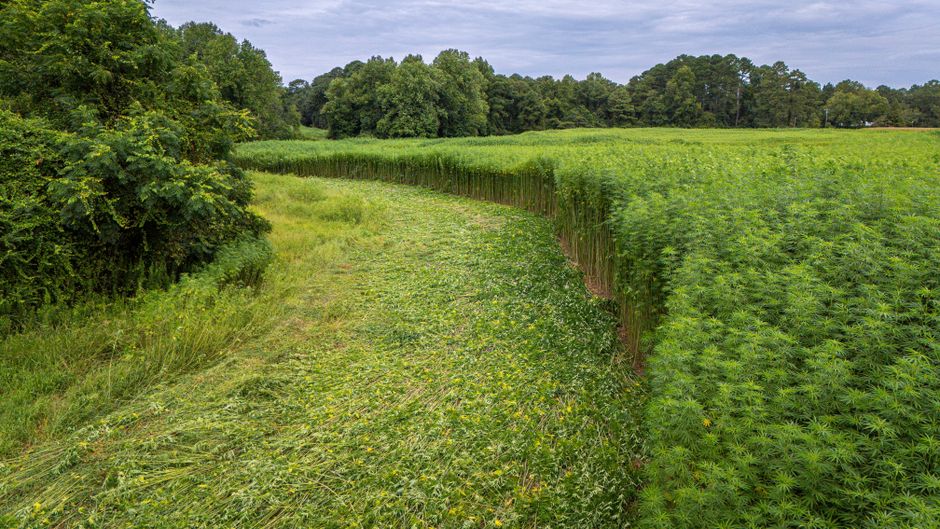
Because “natural” doesn’t always mean “risk-free.” Hemp plants are bioaccumulators—they absorb chemicals from soil and water, including toxins. Without contaminant testing, you might end up with heavy metals or pesticide residues in your product, which can pose serious health risks over time.
Residual solvents used in extraction processes can also linger and cause harm if not properly removed. Microbial contamination isn’t something you can verify just by looking at the bottle.
Without these full safety screens, a potency-only COA is like judging a car’s safety only by its speedometer reading—it’s useful but far from enough.
Joy Organics: An Example of Transparency
Joy Organics is a well-known CBD brand that prioritizes quality and transparency. They provide easily accessible, batch-specific COAs that include both potency and contaminant panels. This allows shoppers to confirm:
- CBD and THC levels are within legal limits (e.g., <0.3% THC)
- Absence of heavy metals and harmful pesticides
- Solvent residues are either absent or below safe limits
Brands like Joy Organics set a positive example for the industry by openly sharing their lab results so consumers can shop with confidence.
The Legal Landscape: Why COAs Matter More Than Ever
The 2018 Farm Bill legalized hemp-derived CBD in the U.S. but created a patchwork of rules:
- States have their own regulations affecting CBD sales and testing standards.
- THC must remain below 0.3%, but some products can exceed this unintentionally due to poor quality control.
- FDA continues to crack down on unproven health claims and unsafe products.
Given this complexity, the best safeguard consumers have is to demand full COAs that show potency and safety tests for contaminants.
What to Look for When Reading a COA
As a savvy shopper, here are steps you can take to ensure you’re getting a trustworthy CBD product:
- Check that the COA is batch-specific: Confirm the report matches the lot number or batch code on your product packaging.
- Review cannabinoid potency: Verify labeled CBD amounts match the lab numbers, and THC stays below 0.3%.
- Inspect contaminant panels: Look for testing of heavy metals, pesticides, solvents, and microbial contaminants. Avoid products missing these panels.
- Look for third-party labs: Labs unrelated to the manufacturer provide more impartial results.
- Avoid vague claims: Watch out for statements like “THC-Free” without any batch COA—this is often misleading.
Conclusion: Potency Only COAs Aren’t Enough
A certificate of analysis that shows only CBD potency can be somewhat helpful—it tells you if the product roughly matches its label and is legally compliant on THC levels. But it doesn’t guarantee safety.
Missing contaminant panels means there’s no proof the product is free from harmful pesticides, heavy metals, or solvents. Since hemp is prone to absorbing toxins and extraction methods vary, this gap is a real concern.
Consumers looking for trustworthy CBD brands should demand full, batch-specific lab reports. Companies like Joy Organics demonstrate how transparency with both potency and contaminant testing builds trust and protects health.
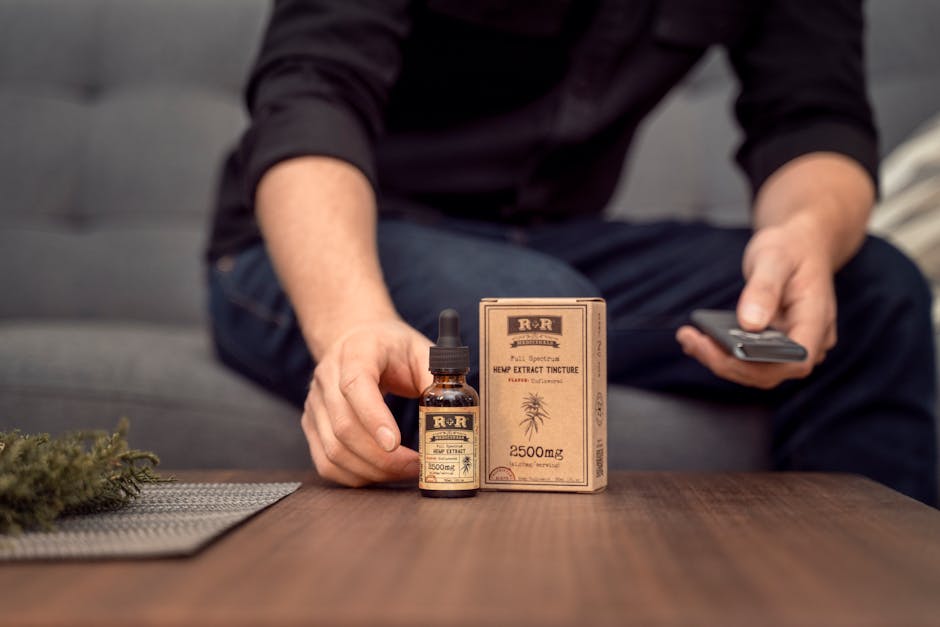
Remember: “natural” hemp extract does not mean 100% risk-free. Quality varies widely in today’s market, so always read COAs carefully—don’t just rely on the front-label numbers.