How to Avoid Getting Wired at the Exact Time You Need to Sleep: A Touring DJ’s Guide
If you've ever stepped offstage vibrating with post-show adrenaline, only to find your brain wide awake when you desperately need sleep onset, you’re far from alone. That electric buzz is a common—and often frustrating—side effect of DJ performance schedules clashing with natural body clocks. But there’s good news: applying shift work research, understanding circadian rhythms, and mastering smart downshift habits can save your sanity https://www.side-line.com/what-nocturnal-work-does-to-producers-and-djs/ (and your performance quality) on tour.
Why DJs Get Wired When They Need to Sleep
The DJ life is a cocktail of late-night chemical surges, erratic scheduling, and ever-changing time zones. Unlike a typical 9-to-5 job, DJs often flip their days completely, performing in the witching hours and crashing well past dawn. This routine creates a perfect storm for misaligned circadian rhythms, the body’s internal clock that governs sleep-wake cycles in 24-hour periods.
Circadian Rhythm and Light Cues
At its core, circadian rhythm is regulated by the brain’s suprachiasmatic nucleus (SCN), which responds keenly to light exposure. Natural daylight signals “wake up,” while darkness cues “wind down.” When you blast bright stage lights or glare at computer screens late at night—think syncing USB sticks or adjusting flight case setups in backstage rooms—you’re sending mixed messages to your body clock.
- Bright light after hours: Suppresses melatonin production, the hormone responsible for sleepiness.
- Blue light exposure: From devices used to manage DJ workflows can also delay sleep onset significantly.
So, even if your set ends at 4 AM, your brain might think it’s party time for hours afterward because of lighting conditions and adrenaline.
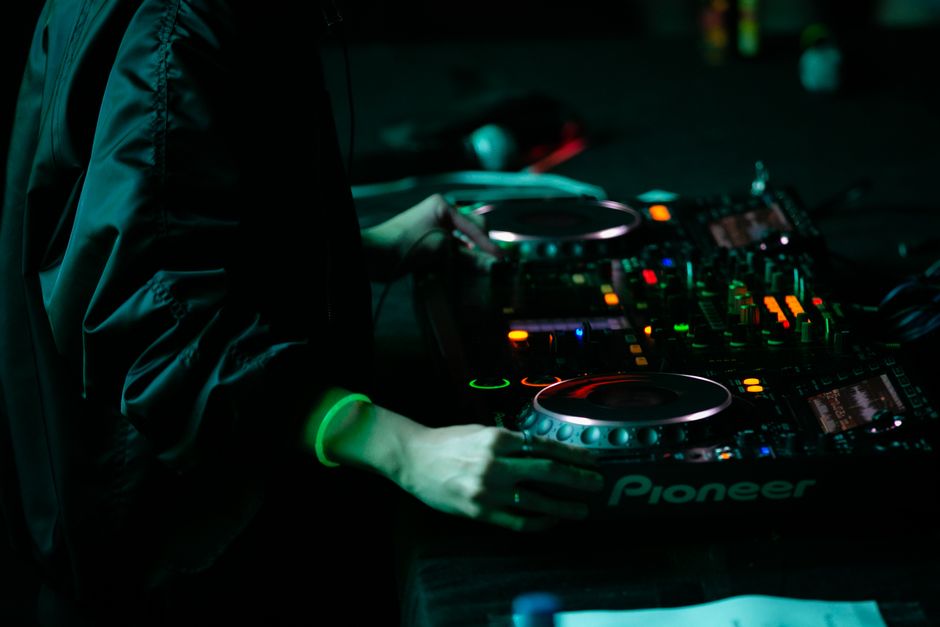
Post-Show Adrenaline: The Invisible Performer
After dropping those beats, your body releases adrenaline and cortisol, pumping energy into your system to keep alert and engaged—built for survival, not sleep. This biochemical high is exacerbated by crowd interaction, loud music, and high-pressure moments back in your flight case-packed green room where logistics never sleep.
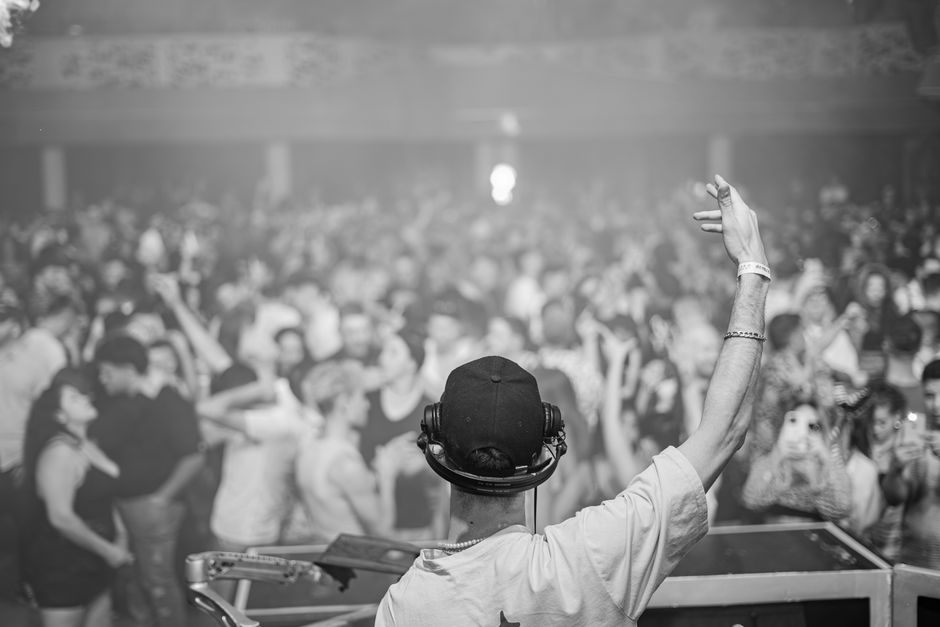
A perfectly timed blast from your workflow USB stick can feel like launching a rocket—but downstream, that energy rush becomes a hurdle to sleep onset.
Extracting Yourself from the Adrenaline Feedback Loop
- Wind down rituals: Start dimming lights and lowering sound levels within 30 minutes after your set ends.
- Physical separation: Move yourself away from the performance space to a quieter zone where adrenaline triggers aren't present.
- Breathing techniques: Slow, deep breathing helps shift the nervous system from sympathetic to parasympathetic dominance, calming the body.
Shift Work Research and DJ Schedules: What Science Tells Us
Shift workers—nurses, pilots, security staff—have a long history of facing inverted wake-sleep schedules akin to DJs. Research into their sleep strategies holds gold for the touring artist:
Findings Implications for DJs Consistent sleep-wake times improve sleep quality even if shifted Try to maintain a regular sleep window, even on days off (when possible) Strategic use of light exposure can shift circadian rhythms Use bright light in “morning” hours of your adjusted schedule but dim lights before sleep Pre-shift naps reduce fatigue and improve focus Short naps before gigs can reduce sleep debt and improve energy for your setFlipping Your Schedule: Weekend Touring and Time Zone Hopping
Weekend gigs and multiple time zones make it tempting to repeatedly “flip” your schedule—for instance, live all night Friday-Saturday then try to crash during the day Saturday. The problem? The body resists quick flips, increasing sleep latency and grogginess, often prolonging that wired feeling.
Tips for More Effective Schedule Flips
- Incremental shifts: Shift your sleep-wake times by 1-2 hours per day leading up to the flip.
- Caffeine management: Avoid caffeine at least 6 hours before your intended sleep time to avoid amplified post-show wiring.
- Melatonin supplements: If necessary, a low dose of melatonin can help realign your clock but always test during rehearsal days, not show nights.
Time Zone Travel and Routing Tradeoffs: Beyond the Flight Case
Your square-shaped flight case might seem like your biggest traveling challenge, but your circadian rhythm is often the heavyweight champ in disrupting sleep onset. Rapid transmeridian travel leads to jet lag because your internal clock hasn’t caught up with local time.
Choosing route tradeoffs (direct vs. multi-stop, day arrival vs. night arrival) can help you manage this:
- Prioritize daytime arrival: Landing during daylight hours helps reset your circadian clock faster.
- Avoid overnight layovers: They fragment sleep and increase overall tour fatigue.
- Use your flight case and USB stick time wisely: Organize gear and workflow routines on the plane or during layovers under adjusted light conditions to maintain routine.
Downshift Habits That Make Sleep Onset Achievable
Downshifting after hyper-stimulating sets is an art unto itself. Here’s a cheat sheet of dependable habits to adopt:
- Blackout curtains: Essential for sleeping during daylight after late gigs. Keep a running list of venues and hotels that deliver on blackout promise.
- Blue light blockers: Use glasses or screen filters to reduce blue light exposure from phones and laptops late at night.
- Limit screen time: Especially interactions with your USB stick workflows. Prep and download music ahead to avoid last-minute digital scrambles.
- Hydration & nutrition: Avoid heavy meals and excessive alcohol post-show; opt for water and light snacks to keep your metabolism from disrupting sleep.
- Controlled breathing & meditation: Techniques geared toward parasympathetic activation help speed up the downshift process.
Summary: Your Sleep Onset Playbook for Touring DJs
Challenge Strategy Impact Post-show adrenaline Physical separation, breathing exercises, low light rituals Quicker calming, faster sleep onset Circadian disruption from light and schedule flips Controlled light exposure, incremental schedule shifts Better alignment of internal clock Time zone changes Choose routes landing in daylight, use flight time for rest Reduced jet lag impact Late-night device usage Limit USB stick workflow changes post-show, use blue light blockers Less melatonin suppression, easier downshiftFinal Note
Touring DJs carry a unique load of sleep challenges, but mastering your circadian rhythm, scheduling smartly, and employing targeted downshift habits can make wired nights rare instead of routine. Instead of romanticizing the all-nighter “grind,” respect the science of sleep onset—and watch your energy and creativity sustain show after show.