Do all pharmacies have a private consultation room?
Short answer: not necessarily. Many community pharmacies have a private consultation room, and it is an important part of delivering services such as NHS Pharmacy First, vaccinations and other health consultations. But facilities can vary between pharmacies and across the UK. A private consultation room may not be available at every branch, at every time of day, or for every service.
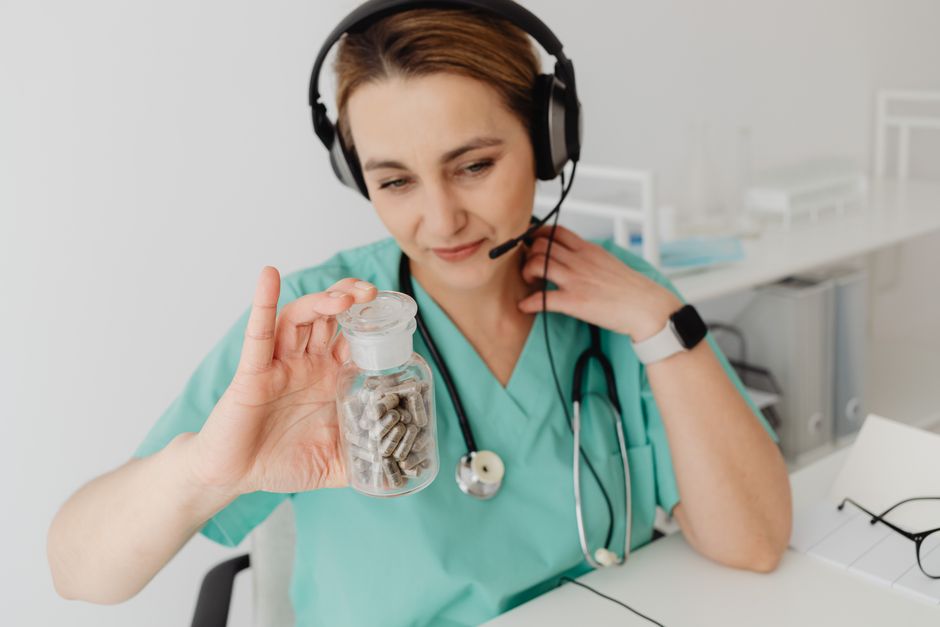
If you need to discuss something sensitive, you can ask to speak to a pharmacist privately. The team can tell you what the pharmacy offers and whether you can use its consultation room. If privacy is essential, it is sensible to check before travelling.
What is a pharmacy consultation room?
A pharmacy consultation room is a separate space where a pharmacist or another trained member of the team can talk to you away from the main shop floor. It is generally used for conversations or services that need more privacy than a discussion at the medicines counter.
Depending on the pharmacy and the service, the room may be used for:
- asking about symptoms and possible treatment;
- clinical assessments and referrals;
- vaccinations;
- medicines advice or a review;
- discussing personal or sensitive health concerns.
A consultation room is usually out of public view, but “private” does not always mean completely soundproof. If you are worried about being overheard, tell the pharmacist. They can explain how the room is arranged and whether another option is available.
Do all pharmacies have a private consultation room?
There is no simple answer that applies to every pharmacy across the UK. Requirements and commissioned services differ between England, Scotland, Wales and Northern Ireland. In England, NHS community pharmacies providing relevant services are expected to have appropriate facilities for consultations. NHS England service specifications may set requirements for the premises, including access to a consultation area for services such as Pharmacy First.
Even so, that does not mean you should assume that every pharmacy has a room available whenever you visit. A branch may have limited space, the room may be in use, or the pharmacy may not offer the particular service you need. Some services also require an appointment or a trained member of staff to be available.
There can be practical differences, too. A pharmacy might have a dedicated consultation room, or it may use another suitable area that can be made private for a consultation. The layout and facilities vary from branch to branch. If you are choosing a pharmacy for a specific service, ask about the room and the service before you go.
How to ask for privacy at a pharmacy
You do not have to explain your concern in front of other customers. You can simply say, “Could I speak to the pharmacist privately?” or ask a member of the team whether there is a consultation room available.
If the room is occupied, the pharmacy may be able to suggest a quieter time or arrange an appointment. If the matter is urgent, explain that when you speak to the team so they can advise you on the next appropriate step. If the pharmacy cannot provide the privacy or service you need, it may be able to direct you to another pharmacy or healthcare service.
For a sensitive conversation, you may find it helpful to:
- call ahead and ask whether the pharmacy has a consultation room;
- check whether you need to book;
- say if you need step-free access or another adjustment;
- ask whether a friend, relative or carer can accompany you;
- tell the pharmacist if you are concerned about being overheard.
Community pharmacy offers more than dispensing
Community pharmacies are often best known for dispensing prescriptions and selling over-the-counter medicines. But many also provide advice, clinical services and help with deciding what to do when a health problem arises. The exact services depend on the pharmacy, local commissioning and the training and availability of its staff.
That matters because pharmacies can be a convenient first point of contact for some everyday health concerns. You can explain your symptoms to a pharmacist, ask about suitable self-care or medicines, and get advice on whether you need another service. A consultation room gives you the option of having that conversation away from the public counter.
NHS Pharmacy First and faster access
In England, NHS Pharmacy First enables participating community pharmacies to assess and, where appropriate, treat people for certain common conditions. It is intended to make care more accessible and may help people get advice or treatment without first needing a GP appointment. The service is delivered by pharmacies that provide it, so check with your local branch if you are unsure whether it participates.
Under Pharmacy First, a pharmacist can ask about your symptoms, relevant medical history and any medicines you take. They will decide whether the condition is suitable for the service and what care is appropriate. This may include advice, treatment under the service’s clinical pathway, or referral to another healthcare professional if your symptoms need further assessment.
The service covers specific conditions and has eligibility criteria. It is not a replacement for all GP care, and a pharmacist may not be able to treat you through Pharmacy First if your symptoms fall outside the pathway or if you need a different kind of assessment. The pharmacist can still advise you about the next step.
A private consultation room can be particularly useful for this kind of assessment. It allows you to discuss symptoms and answer questions more comfortably than you might at a busy counter. It is reasonable to ask for a private conversation, although the pharmacy may need to manage room availability.
Common conditions pharmacies may help with
Pharmacy First in England includes pathways for particular common conditions, such as:
- earache in children within the service’s age and clinical criteria;
- impetigo;
- infected insect bites;
- shingles;
- sinusitis;
- sore throat;
- urinary tract infection in eligible women.
These are not a promise that every person with one of these symptoms will receive treatment through Pharmacy First. Age, symptom history, risk factors and clinical judgement all matter. The pharmacist may recommend self-care, supply treatment where appropriate, or refer you to a GP, NHS 111 or another service.
Pharmacists can also advise on many other minor illnesses and medicines questions, even when the issue is not covered by Pharmacy First. If symptoms are severe, rapidly worsening or potentially life-threatening, use emergency services rather than waiting for a pharmacy consultation.
Vaccinations and travel health in pharmacies
Many pharmacies provide vaccination services, though availability varies. A pharmacy may offer flu vaccinations, for example, and some also provide other vaccines privately or through local NHS arrangements. Eligibility, appointment requirements and the range of vaccines offered depend on the service and location.
Some pharmacies provide travel vaccinations and travel health consultations with risk assessment. A travel https://highstylife.com/do-all-pharmacies-have-a-private-consultation-room/ health consultation may cover your destination, length and type of travel, planned activities, medical history and existing vaccinations. That information helps the clinician discuss relevant health precautions and whether particular vaccines or other steps may be advisable.
Not every pharmacy offers travel health advice or every vaccine. Some travel vaccines may need to be arranged through a GP surgery or a specialist travel clinic, and charges can apply. Ask the pharmacy what it can provide, whether you need to book, and how far in advance to arrange a consultation. A private room is useful for discussing health history and receiving a vaccination, but confirm that the branch has the required service and facilities.
What about privacy and confidentiality?
Pharmacy teams are expected to handle your personal information confidentially. A private consultation room supports that by moving a conversation away from the counter, where other customers may be nearby. You can ask the pharmacist to explain how your information will be used if you have questions.
Privacy is also about being able to speak freely. You may want to discuss a symptom, a medicine you are taking, or a personal circumstance without announcing it to the shop. Asking for a room is a normal request, not an inconvenience. The pharmacist can help you find an appropriate way to have the conversation.
There minor ailments pharmacy uk guide may be limits to what can be discussed or done in the room at that moment. For example, the pharmacist may need to check your records, consult another clinician, or refer you elsewhere. A private room supports the consultation; it does not change the service’s clinical criteria or guarantee a particular treatment.
Are pharmacy consultation rooms and services free?
No prices were stated in the scraped content. That means there is no reliable price information to quote here, and it would be misleading to invent a figure. Some services are provided through NHS arrangements for people who meet the relevant criteria; other services, including some vaccinations or travel consultations, may be private and chargeable.
Before booking, ask the pharmacy whether the service is NHS-funded or private, whether there is a charge, and whether any follow-up or vaccine costs are separate. Costs and eligibility can vary by service and location.
How to find out what your local pharmacy offers
To check whether a pharmacy has a private consultation room and provides the service you need, you can:
- Phone the pharmacy or check its website.
- Ask specifically whether a private consultation room is available.
- Confirm whether the service is offered at that branch and whether you need an appointment.
- Ask about eligibility, accessibility and any charges before attending.
The bottom line
Many community pharmacies have a private consultation room, and it can make it easier to discuss symptoms, medicines, vaccinations or travel health confidentially. But facilities and services are not identical at every pharmacy, and availability may depend on the branch, the time and the service you need.
If privacy matters, ask to speak to a pharmacist privately. If you are seeking NHS Pharmacy First, a flu vaccination, travel vaccinations or a travel health consultation, contact the pharmacy first to check what it offers, whether you need an appointment and whether any charges apply.