Can I Pay for a 12-Month NHS Prepayment Certificate by Monthly Direct Debit?
Heading off to university, especially during Freshers week, brings a whirlwind of new experiences — making friends, joining societies, and yes, sorting out your healthcare. One big question for many students: Can I pay for a 12-month NHS prepayment certificate by monthly direct debit? Put simply, can you spread the cost of your prescription charges without handing over a lump sum upfront?
In this post, I’ll break down everything about NHS prescription costs, how the 12-month prepayment certificate (PPC) works, what payment options exist (including monthly direct debit), and where pharmacy-first care fits in for common ailments. Plus, we’ll dive into the often misunderstood NHS Low Income Scheme to help you avoid overpaying.
Understanding NHS Prescription Charges and the 12-Month Prepayment Certificate
The NHS charges a standard fee per prescription item in England. As of 2024, each prescription item costs £9.65. So if you have several medications or repeat prescriptions, costs add up fast.
This is where the NHS Prepayment Certificate (PPC) shines — it caps your prescription expenses. If you expect to pay for several prescription items during the year, getting a PPC can save you money. There are two types:
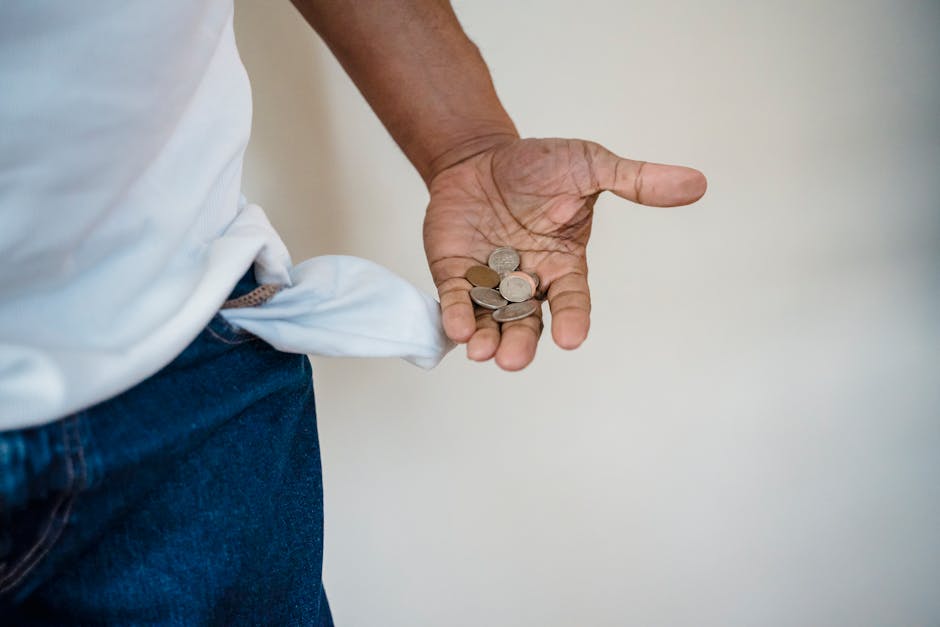
- 3-month PPC: Costs £31.25 and saves money if you get more than 4 items in 3 months.
- 12-month PPC: Costs £111.60 and pays off if you get at least 12 items in a year.
Quick tip: Do the math — if your yearly prescriptions total £111.60 or more, the 12-month PPC is a smart buy.
Can You Pay for a 12-Month Prepayment Certificate by Monthly Direct Debit?
Here's the blunt truth: currently, the NHS does not allow you to pay for the 12-month PPC using a monthly direct debit. You must pay the full amount upfront — whether online, via telephone, or in person at a pharmacy or post office.
There is, however, an option for monthly payment plans for some patients in specific situations, but that's rare and often linked to other NHS services, not the PPC itself.
If you don't have £111.60 to hand, you might feel stuck. But don’t worry, we’ll cover ways to reduce or cover prescription costs in the next sections.
Registering with a GP During Freshers Week – Step 1 to Smooth NHS Access
One of the main headaches in that first week at university is sorting out healthcare — your GP registration. Without a local GP, you can’t get prescriptions easily, let alone advice.
Pro tip: Try to register with your university town GP as soon as possible — ideally within week 1 or 2 of term. Many surgeries open special Freshers week registration slots and even run Facebook or Twitter campaigns to remind new students.
You'll need:
- Your NHS number (if you know it)
- Proof of address (university housing or term-time address)
- Photo ID where possible
Remember, GP registration isn’t just paperwork. It means you get advice, repeat prescriptions, and referrals where needed. During Freshers week, avoid the emergency room for minor illnesses by getting your GP set up.
Pharmacy-First Care: Your NHS “GP” for Common Conditions
Not every sniffle or sore throat needs a doctor's appointment. Local pharmacists are trained to handle many common ailments and minor illnesses — often stocked with medicines and advice free at the point of service.
Conditions where pharmacy advice helps:
- Cold and flu symptoms
- Hay fever
- Headaches and minor pains
- Indigestion and heartburn
- Minor cuts and wounds
Stopping by your pharmacy first can save time, avoid long GP waits, and sometimes even get your medicines faster. Plus, pharmacists can tell you if your condition needs a prescription or if over-the-counter remedies will do.
Prescriptions and Exemptions: Avoid Overpaying
Students often overpay on prescriptions by not knowing about available exemptions or schemes:
- Full-time students under 19: May get free prescriptions if they qualify under certain circumstances.
- Students on low income: Could be eligible for the NHS Low Income Scheme (LIS), which offers cost help or full exemptions.
- Medical exemptions: Some long-term conditions qualify patients for free prescriptions.
Always check your eligibility before buying a PPC. It might turn out you don’t need one at all.

The NHS Low Income Scheme and Prepayment Certificate Math
The NHS Low Income Scheme (LIS) is for people who are struggling to pay health costs. Your household income and savings determine eligibility — and in many cases, students can claim help.
How does LIS affect PPC?
- If you qualify, you might get a certificate that covers your prescription costs entirely — making a prepayment certificate unnecessary.
- If approved for partial help, LIS may lower the cost of a PPC.
Applying involves filling out forms and providing income proof. It might seem daunting during Freshers week, but it’s a step worth taking — especially if you’re juggling rent, textbooks, and living costs.
Here’s a simple checklist to decide if PPC or LIS suits you:
- Estimate your medication count: How many prescription items will you need during term?
- Multiply by £9.65 to see approximate annual costs.
- Compare to PPC price (£111.60 for 12 months).
- Check LIS eligibility to reduce costs or claim full support.
- If uncertain, register with your GP and ask them or pharmacist for advice early.
Final Thoughts and Timeline to Keep You on Track
Week 1-2: Register at your local GP. Don’t wait—this unlocks prescriptions and reliable care.
Week 3-4: Assess your health needs. Visit the pharmacy for common ailments first. Check if your prescriptions are adding up.
Week 5-6: Research and apply for the NHS Low Income Scheme if needed. Gather paperwork early.
Week 7 onward: If you need regular prescriptions over the year, consider buying a 12-month PPC. Remember — you can’t pay monthly by direct debit, so plan your finances accordingly or continue paying per prescription if that’s easier.
Keep Informed via Facebook and Twitter
Local NHS GP surgeries, universities, and student unions often post live updates and reminders about health services, registration, and prescriptions on social media. Follow them to catch Freshers week offers, clinic times, and advice.
Examples:
- Your university health centre on Facebook
- Local NHS services’ Twitter accounts for updates and FAQs
- Student forums sharing real-world tips on health and prescriptions
Feel free to ask questions and share your experience. A little info can education.clickdo.co.uk save you money and stress!
Summary Table: NHS Prescription Payment Options and Tips for Students
Option Cost Payment Flexibility Best for... Notes Pay Per Prescription £9.65 per item Pay per prescription Few or occasional prescriptions No upfront cost, but costs add up 3-Month PPC £31.25 One-time payment Multiple prescriptions over 3 months Saves if >4 items needed 12-Month PPC £111.60 One-time payment only (no monthly direct debit) Regular prescriptions over a year Best value if >12 items annually NHS Low Income Scheme Varies – may cover all or part of costs Apply once per eligibility period Low income students and households Can eliminate need for PPCWrapping Up
To answer the main question: no, you can’t currently pay for a 12-month NHS prepayment certificate by monthly direct debit. That means if you want the full-year discount, you’ll need to budget for the full PPC price upfront.
But don’t let that trip you up. Register with your GP early in Freshers week, know when to visit the pharmacy first, and find out if you qualify for exemptions or the NHS Low Income Scheme. Follow your local NHS on Facebook and Twitter for timely updates and handy reminders to make managing your health easier and less costly.
Got questions or personal tips? Drop them in the comments or reach out on social media — sharing experiences helps everyone save money and stress less!